Winter Gear Checklist: Get Your Kit Ready for Adventure

Your Winter Gear Checklist for Australian Adventures
A pre-season kit check to keep you warm, dry, and out longer.
Whether winter for you means shivering through sub-zero Tassie nights, or just adding a beanie to your everyday Top End attire, the cool is creeping in. Now's the time to pull out your winter kit, check it over, and get it ready for whatever the season throws at you.
A dry run before the cold sets in beats discovering a leaky tent or a worn-out base layer halfway up a mountain. This guide walks you through the six things worth checking, fixing, or replacing before your next cold-weather adventure.
In this guide:
- Waterproof outerwear and jacket care
- Winter hiking boots and socks
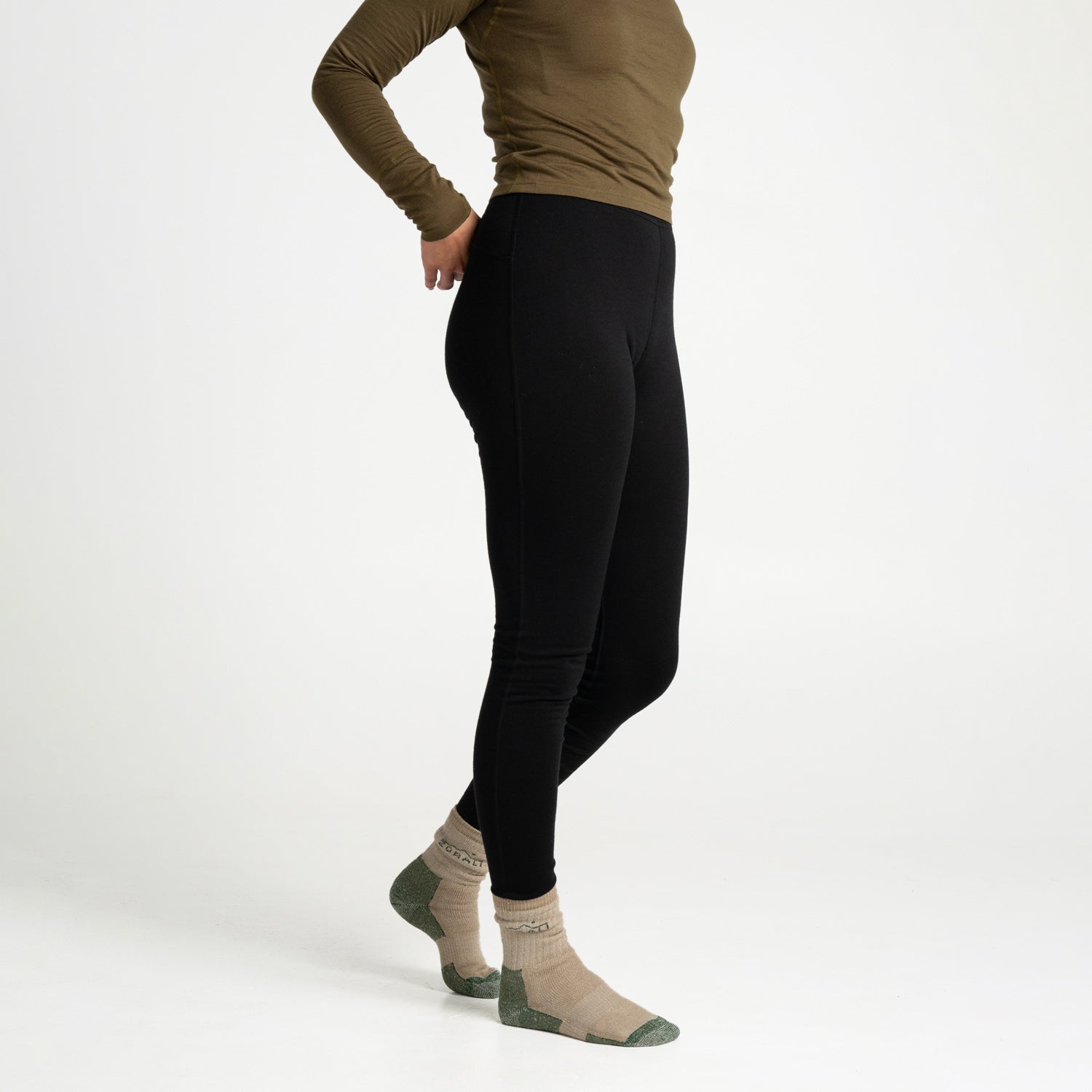
- Hiking pants and leggings
- Base layers and mid-layers
- Camping gear
- First aid kit and accessories

Waterproof Outerwear & Jacket Care
No matter the waterproof rating, the water-repellent coating on your jacket needs a little upkeep to keep you dry. We recommend reproofing at least twice a year, ideally once per season, with a quality waterproofing treatment.
Here's the process:
1. Wash firstUse a technical cleaner like Nikwax Tech Wash, not regular detergent. This clears out the dirt and oils that clog the DWR and stop water from beading.
2. Re-treat Once clean, apply a DWR treatment to the damp jacket. A few we PFC-Sprays we recommend:
3. Finish with low heat
A tumble dry on low, or a gentle pass with a low iron (cloth between the iron and jacket), helps the treatment bond to the fabric. Skip fabric softener and high heat — both break down DWR faster.
While you're at it: check your zips, velcro, cuffs, and hems for any wear or damage that might let water in. A small fix now saves a soggy day out there later.

Winter Hiking Boots & Socks
Your boots are only ever as good as your socks, so check them for holes and elasticity, especially if you haven't worn them in a while. Give your boots a once-over to check the outsole tread is still firmly attached and grippy, then treat the uppers to a wax or waterproof treatment.

Hiking Pants & Leggings
Whether you plan on hoofing it in technical pants, shorts, or Merino leggings, check the stitching, seams, and shape of your gear before you venture too far. This is the perfect excuse for a short hike, in preparation for bigger winter adventures ahead.

Base Layers & Mid Layers
Wherever we are in Australia, Merino is the fabric we want closest to our skin from autumn to spring. Moths love wool, so check your base layers for holes and patch them up where necessary. Breathable mid-layers can be the difference between sweating and shivering, so make sure yours are ready to stash in your pack.

Camping Gear
Now's the time to get everything out for a dry run, to see what's up for another season of adventuring.
Pitch your tent in the backyard. Inspect the fabrics, zips, and poles for damage, and apply a waterproof treatment to your fly. Inflate your sleep mat or pad and leave it overnight to check for slow leaks. Check your sleeping bag for any tears, thinning insulation, or damage that might impact warmth, and air it out before storing it again.
Cold weather is unforgiving on tired gear. Better to find the issues now than at 2am in the alps.

First Aid Kit & Accessories
Break out your first aid kit and restock anything you've used. Check the use-by dates on creams, medications, and other expendables. Replace the batteries in your torches and headlamps, and always carry a spare set.
A few extras worth checking while you're at it: spare lighter, emergency blanket, whistle, multi-tool, and a small repair kit (needle, thread, gear tape) for the inevitable small fixes on trail.
Learn more about bushwalking safety here: Bushwalking Australia
Quick Winter Gear Checklist
- Reproof rain jacket and check zips
- Inspect boots, treat uppers, replace worn socks
- Check pants and leggings for stitching and shape
- Patch any moth holes in merino base layers
- Air out tent, check poles, inflate sleep mat, inspect sleeping bag
- Restock first aid kit, replace torch batteries
FAQ
How often should I reproof my rain jacket? At least twice a year, ideally once each season, or whenever water stops beading on the surface.
What temperatures can I expect on a winter camping trip in Australia? Alpine areas in Victoria, NSW, and Tasmania can drop below zero overnight, while coastal regions typically sit between 5°C and 12°C. Always pack for the lowest expected temperature plus a margin.
Do I need a four-season sleeping bag for winter camping in Australia? For alpine and sub-alpine winter camping, yes. For lower-elevation trips, a quality three-season bag with a liner is often enough.
What's the best base layer for Australian winter hiking? Merino wool is hard to beat — warm when wet, breathable, and naturally odour-resistant.
How do I check if my tent still waterproofs properly? Set it up at home, spray it down with a hose, and check the seams and fly for leaks before you take it into the field.
Ready for the Cold?
A little prep now means more time outside later. Browse our winter range for merino base layers, fleece, and outerwear made to go the distance.
Then go find some weather worth dressing for.